
Ghost Kitchens vs. Mom and Pops
Big conglomerates want our kitchens, but they're not good at making our food.

Welcome back to Documentary Mixtape.
Last month, I shared 15-years worth of documentary films as part of a retrospective that included some great cultural hubs rooted in their communities, including the Museum of the Moving Image, DCTV’s Firehouse Theater and the Maysles Documentary Center.
To me, the retrospective made clear that there is a strong interest and desire for in-person events, discussions - a desire which spans many different communities and generations.
But it is labor-intensive work. In my case, that good labor came from Cinema Tropical and Color Congress, two innovative organizations, that carefully built connections between my films, then strategized different ways to connect to different communities throughout NYC. And it was fun.
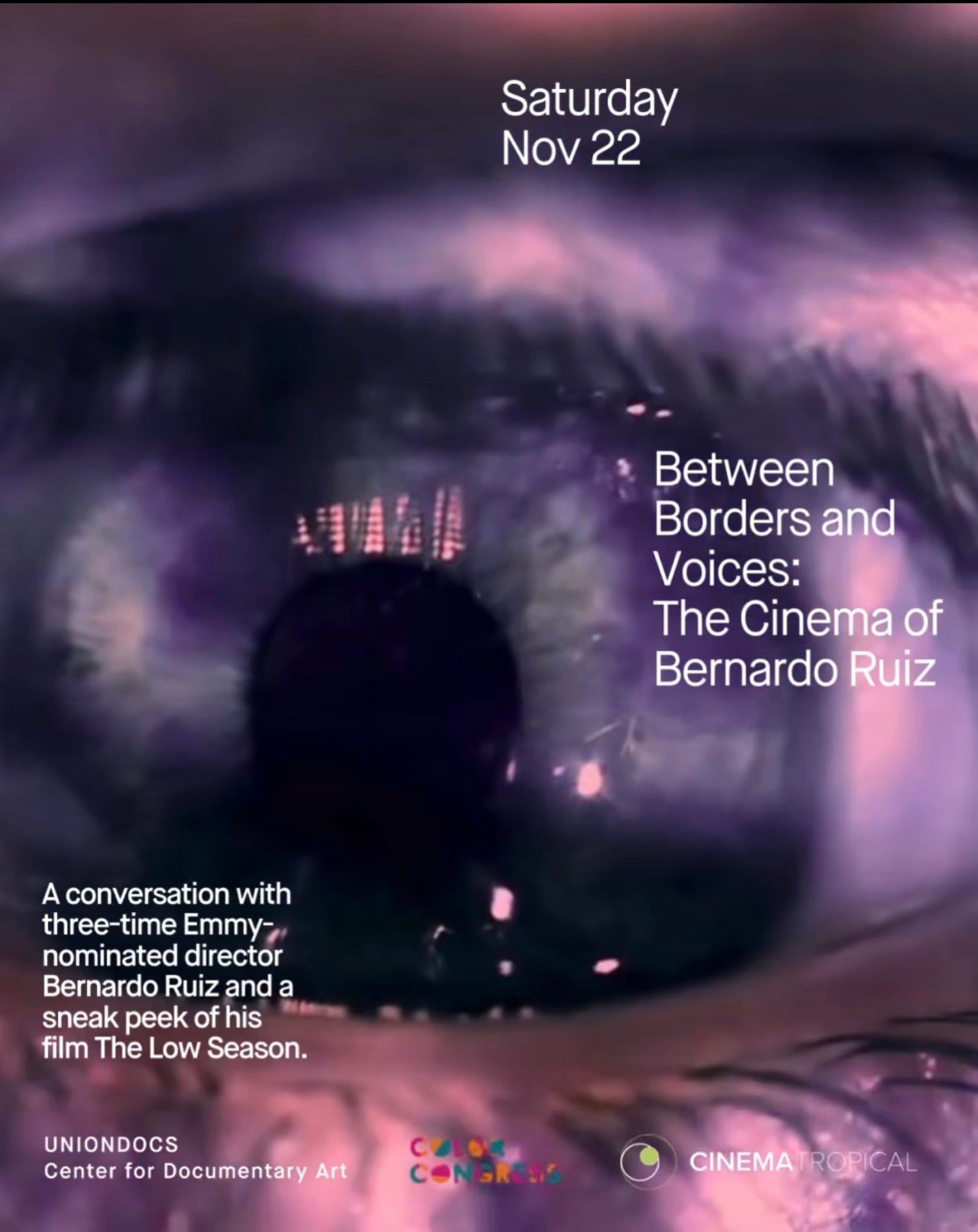
One other unique aspect of the experience was being able to workshop a work-in-progress - The Low Season - with an audience at Union Docs Center for Documentary Art. This is not something that I have ever done before. It was like being a comic or a musician workshopping new material with a fresh audience. It forced me to sharpen my ideas, and kept me from being too precious about the work at a vulnerable phase as I seek support for the film.
Three Tables And Two Countertops
In October, I spoke at a panel at the Hot Springs Documentary Film Festival Filmmaker Forum in Arkansas. I was struck by how some executives insisted on speaking to the documentary filmmakers assembled in the room as if it were business as usual. Business as usual in terms of funding and distributing films, in this case via public media.
There was something eerie about it - like restaurant conglomerates telling you about the exciting future of dining during the mass layoffs of cooks and kitchen workers. It made me think of “ghost kitchens”. That is food prep and delivery businesses that are automated for maximum efficiency. If you live in NYC, you have likely seen car-long subway ads for an online food service that claims to have multiple “restaurants” under one roof. The brands all sort of look familiar, designed to look like other restaurant brands, but they are actually part of an e-commerce scheme, designed to harvest profit from busy consumers, while crushing mom-and-pops in the process.
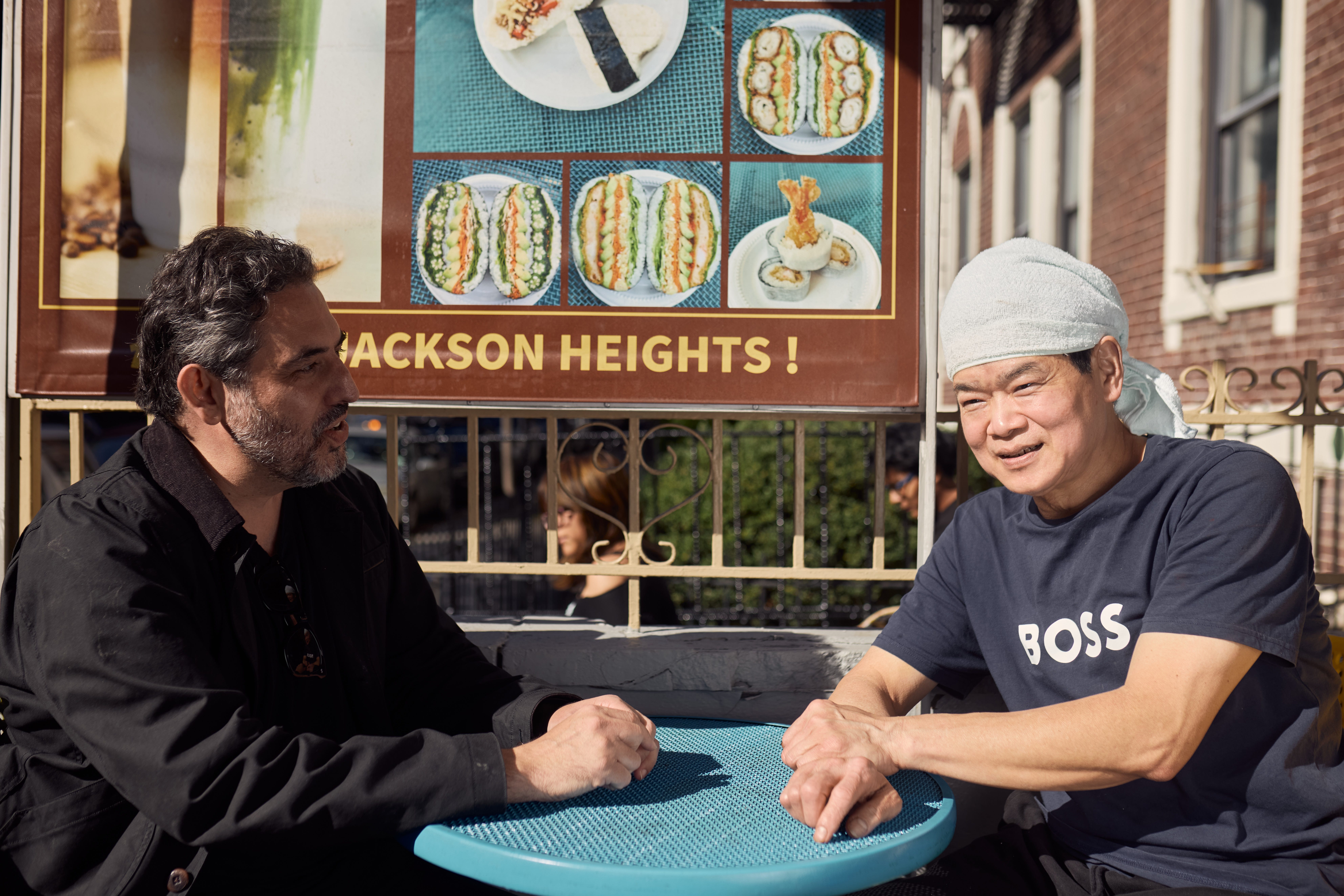
Its hard not to see the parallels between small, owner-operator restaurants, like one of my favorites in Queens run by Oda Mistumine (pictured above) who works 6 days a week, opening and closing each day — and the work many of us do as scrappy, often under-budgeted and over-leveraged independents.
At a time when big media is getting bigger, and publicly funded media and the arts have been dealt death blows—in some cases without much of a public fight—there are a lot of ideas about how to “fix” independent film and media.
There are self-styled experts telling us that we need to be more like influencers or content creators. Maybe do a little shimmy for the Tik Tok...
I’m certainly excited by some of the clever or creative media I see on social media, but as some Gen-Z mediamakers at the Bronx Documentary Center told me this past weekend, there are limits to social media— like subsisting solely on junk food.
The makers I spoke to understand social media as an endless, sometimes exhausting and certainly distracting feed. In a session where they workshopped their own short films, they told me about deleting Instagram and Tik-Tok for stretches - not permanently - but to create some space for in-person hanging out and even watching movies.
There is lots of advice coming from many corners in this moment, much of it centered on adopting models set by big tech and conglomerates. But why would we mimic the strategies of ghost kitchens when mom and pops often make better food?
With good community partners, there are audiences and communities (diverse, multigenerational ones) to be engaged. There is even room for test kitchens where we can experiment, share and refine dishes that don’t taste like they’ve come out of a conveyer belt.
Recent Interviews
I spoke on The Latino Vote Podcast about my retrospective, career as independent and documenting the Latino vote:

And if you missed it, here’s a nice interview with IDA’s Documentary Magazine’s Manuel Betancourt about the retrospective:

Great to get your updates
Thanks.Oh, very interesting. Glad to your keeping busy and out there, helping to represent our field